
Huntington Previous Residents by Era
Different Huntington sources cover different pieces of an address timeline. A deed party is connected to title, a directory entry is a dated name-and-place clue, and a census names a household. The records below are best used in sequence. Start with the current parcel identifier and deed, then move backward through older land books while placing each person in a separate dated source. A missing online result does not prove an earlier record is absent.
| Source | Years it covers | Where held | What it shows |
|---|---|---|---|
| Suffolk County Clerk online deed images | 1987-present online image backfile | County Clerk Kiosk | Grantor, grantee, Liber/Page, document type, date, and legal description |
| County Clerk land books and indexes | Mid-1600s forward; pre-1969 indexes | Historic Documents Library and Riverhead Records Room | Earlier deeds, mortgages, maps, and manual title trail |
| Huntington assessment and tax records | Current assessment year and available rolls | Town property record, Assessor/Receiver, and GIS | Current or near-current owner, addresses, assessment, and districts |
| Huntington Site History | Current applications plus available older material | Town GIS and FOIL route | Permit, certificate, fee, date, and work-description clues |
| Curtin Long Island directory | 1867-68 and 1868-69 editions located | Repositories and Huntington transcription | Dated name, trade, business or place clues |
| Huntington city directory | 1929 | New York State Library microfilm | Printed name, address, and occupation lead |
| Federal census | Public images through 1950 under the ordinary rule | NARA and HPL in-library resource | Household composition, age, birthplace, and relationship |
The Suffolk County Clerk Kiosk is the practical first stop for a current deed, while the Riverhead records room takes over when the chain reaches older books. Directory years and census schedules are the occupant layer. Keep that distinction visible in every dated address note.
Huntington Deed-Chain Records
The deed chain begins with the parcel, not a remembered street number. The County Clerk search accepts an address or tax-map route, a name or corporation, and a Liber/Page reference. A deed result can show Liber, page, document type, grantor, grantee, date received, notations, a certified-copy link, and the document viewer. Record the current deed's legal description and any prior Liber/Page reference before following the trail backward.
The Suffolk County Clerk Historic Documents Library source sets out the local backward-deed method and historical access route.
Online deed images begin in 1987, although index coverage can be older. Before 1969, Suffolk land records are indexed in books under both grantee and grantor. From 1660 through 1950, all Suffolk towns share alphabetic books by last name and then first-name initial; books from 1951 through 1969 are divided by Town. The Historic Documents Librarian can direct researchers to unsigned older grantee books.
- Find the current Huntington owner and SCTM in the Town property record or GIS, then save the exact parcel identity and situs address.
- Locate the owner's acquisition deed in the County Clerk index and copy the Liber/Page, date, grantor, grantee, legal description, and cited prior instrument.
- Search that seller as the next grantee to locate the deed by which the seller acquired the parcel.
- Repeat the grantor-to-grantee handoff, recording when a title party, street label, lot number, or subdivision reference changes.
- When the online image route ends, use the Riverhead historical books and both manual index directions to continue the Huntington chain.
- Grantor and grantee
- The grantor transfers an interest in the document; the grantee receives it. The role changes at each step in a backward search.
- Chain of title
- The dated sequence of recorded transfers connecting one parcel interest to an earlier one.
- Legal description
- The lot, block, map, metes-and-bounds, or other property wording in the record. It can persist when a street address changes.
Note: Historic Documents Library material is not pulled after 4:15 p.m., and researchers should finish by 4:45 p.m.
Huntington Parcel Records and Maps
Street labels are convenient, but older Huntington records may use a subdivision, map, lot and block, nearby owner, or metes-and-bounds description. A parcel can also be divided or joined. That is why the legal description, SCTM, and cited filed map travel with the deed chain. The Clerk's map and abstracts search can use a filed-map abstract number, map number, Liber/Page, tax map ID, map name, or filed date.
Historic map evidence helps bridge the address-continuity gap. The Society holds the 1858 Chace map, the 1873 Beers atlas, and Hyde maps from 1909 and 1917. The County Clerk Historic Documents Library describes atlases beginning around 1873 and identifies Sanborn maps as a source for building construction. HPL offers Sanborn access in the library. Compare an old map, a plat or deed, and the current GIS parcel before treating an old road as the modern address.
No official source reviewed confirms a townwide Huntington street-renumbering or readdressing year. Search the older village or hamlet name, subdivision name, prior lot number, map reference, and adjacent owners instead of inventing a conversion. That keeps a previous-residents timeline tied to recorded evidence.
Note: A subdivision, merger, or changed road name can make a matching street number misleading without the parcel description.
Huntington Address Listings and Directories
Directories answer a different question from deeds: who was listed in a location at a particular time. The Curtin Long Island directory has editions located for 1867-68 and 1868-69, and an online transcription of the Huntington section. Suffolk and Long Island directory references appear for 1909-13, while the New York State Library catalogs a 1929 Huntington directory on film. The local sources do not establish a complete reverse or criss-cross run, so ask the Mary Talmage Room or Historical Society about a particular address and year.
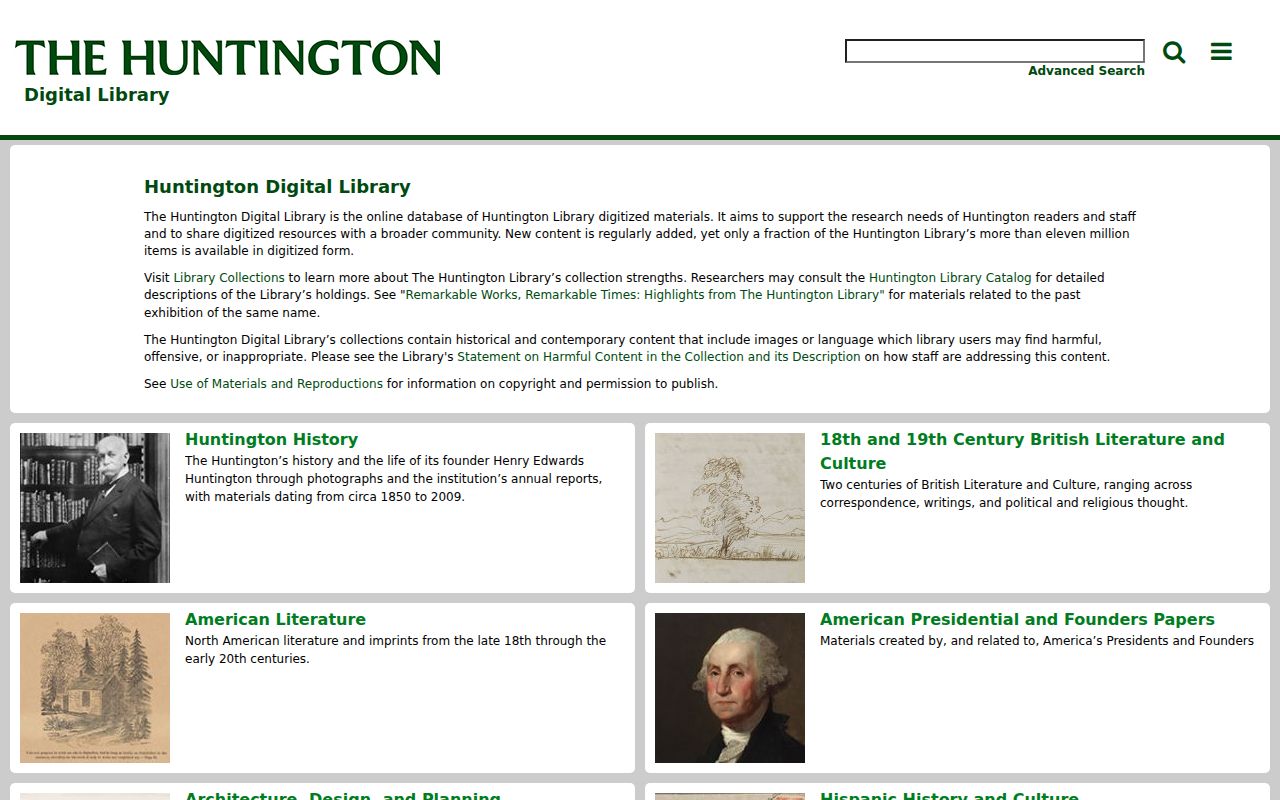
The Huntington Digital Library can add maps, photographs, postcards, and local visual context to the name-and-address trail. It cannot prove title or confirm an entire household. Use a directory's spelling, place wording, occupation, and date as search anchors when checking a census, cemetery record, newspaper notice, or deed.
The Huntington Digital Library source provides a visual collection that can support dated address research.
A directory listing might refer to Huntington Harbor, Main, Northport, Cold Spring Harbor, Centerport, Lloyd Harbor, West Neck, or Melville. Preserve that historic place term. Postal labels and municipal identities can overlap, and changing every reference to a single modern label can break the trail.
Huntington Census Records for Households
Pairing a directory with the nearest census lets an address history move from a single name toward a household picture. The dated matches are useful: 1868-69 with 1870, 1909-13 with 1910, and 1929 with 1930. HPL provides in-library access to federal census images through its historical resources. As of 2026, the ordinary federal 72-year rule leaves 1950 as the latest public decennial census.
- Copy the directory name, place, trade, and year without expanding abbreviations that the source does not define.
- Search the paired census for the same surname, local place, age range, and family members rather than accepting the first similar name.
- Compare household relationships, birthplaces, and address context with the next directory or map layer.
- Use a church, cemetery, obituary, or probate lead to explain a name that appears or disappears between dated records.
Huntington High School yearbooks, digitized for 1930-2018 except 1933, are another dated community source. They may supply a class, activity, or portrait, but they are not a parcel record. A complete past-residents conclusion separates evidence of title, address listing, household membership, and school connection.
Note: A census year and a directory year can differ, so record each source date instead of treating them as simultaneous.
Huntington Permit Records and Site History
Town Site History is an address-based record layer for building permits and certificates of occupancy. The Huntington Property Info route is to accept the disclaimer, choose Site History Summary, and search by parcel or address. The live report can show the type, application, permit, certificate, estimated cost, and total fee. Older permit or certificate material may require a request to the Building Department under the New York Freedom of Information Law, Public Officers Law Article 6 §§87-89.
A permit names a project participant and records work on a property. It does not establish who lived there. The Town says permits generally expire after three years, with annual renewal fees for two years, and new structures or additions need a final survey for a certificate of occupancy. The County Clerk house-history guidance cautions that permits generally do not reach before the early 1920s and that a structure's date of origin is approximate.
For historic structure context, check a permit description against a Sanborn sheet, a plat, and a deed reference. This helps date an addition or changed use without turning a permit index into a household list.
Note: Older permit and certificate material may need a FOIL request, even when a newer Site History result is visible.
Huntington Probate Records and Cemeteries
When a person leaves an address trail through death or an estate transfer, probate and cemetery material can serve as an endpoint. Suffolk County Surrogate's Court records may include wills, administration petitions, heir names, and estate property. The County Public Administrator in Riverhead handles estates where nominated fiduciaries or closest relatives cannot act and describes diligent inquiries for unknown or remote relatives. Those records can connect a person to family or property, but they are not a current-address list.
The Historical Society's cemetery resources cover more than 90 burial grounds, with material from 1723 through 1990 and a consolidated index of about 13,000 names. Huntington Rural Cemetery records can include a last residence, burial date, volume and page, age, cause of death, and plot-card information. Pair a cemetery or probate item with a directory, census, or deed date before placing a person in the house chronology.
Town history offers useful search terms when ordinary address searches fail. Northport shipbuilding, Cold Spring Harbor whaling, tide mills, brickmaking, sand mining, and fishing can appear in directory occupations, newspaper notices, maps, or land descriptions. Local place terms often narrow a surname more effectively than a broad town label.
Huntington Previous Residents, Lawful Use
Historic address research is appropriate for family history, house history, and personal civic curiosity. Confirm records with the agency or repository that holds them, especially when a modern parcel or a living person is involved. Do not use an address-research result to stalk, harass, or harm anyone. A name in a public source can be incomplete, misread, or connected to a different person with the same name.
The Suffolk County Homeowners Watch List source describes free electronic alerts for land-record activity selected through its record-search and address dropdown.
HOWL is a current activity alert, not a substitute for a deed chain or historical directory research. The County's 2026 budget also describes microfilm digitization and older material becoming available through a digital Archives Viewer. Recheck access conditions and document coverage before relying on a new search feature.
Lawful use. Use Huntington address records for family or house-history research, keep sensitive details to the minimum needed, and never use a result to stalk, harass, or harm a person.